
If you’re researching a potassium sulfate (K₂SO₄ / SOP) production line, you’re probably trying to answer a much bigger question:
Is potassium sulfate production really worth investing in?
In real industrial projects, success depends on far more than simply buying equipment. Process selection, furnace efficiency, environmental compliance, raw material quality, automation level, and plant layout all directly affect profitability and long-term operating stability.
That’s why investors, fertilizer manufacturers, and chemical engineering companies often spend months evaluating SOP production technology before building a plant.
This FAQ guide answers the most common questions about potassium sulfate production lines in a practical, industry-focused way — covering process technology, equipment systems, investment cost, ROI, EPC solutions, environmental systems, and future market trends.
A potassium sulfate production line is an integrated industrial system used to manufacture sulfate of potash (SOP) fertilizer through chemical reaction, crystallization, drying, screening, and packaging processes.
A complete SOP production plant typically includes:
Raw material handling system
Mannheim furnace or reactor system
HCl gas recovery system
Crystallization and separation equipment
Drying and screening system
Packaging system
Automation and environmental control systems
In industrial projects, the production line functions as a continuous interconnected process rather than a collection of standalone machines.
Related reading:
The most common raw materials are:
Potassium chloride (KCl)
Sulfuric acid (H₂SO₄)
In the Mannheim process, these materials react at high temperature to produce potassium sulfate and hydrogen chloride gas.
Some alternative production routes may also use:
Sodium sulfate
Magnesium sulfate
Natural minerals such as langbeinite or kainite
In real industrial plants, raw material purity directly affects reaction efficiency, product quality, energy consumption, and equipment lifespan.
Potassium sulfate is a chloride-free potassium fertilizer widely used for chloride-sensitive crops such as:
Tobacco
Grapes
Potatoes
Fruits and vegetables
Tea and coffee
Compared with potassium chloride (MOP), SOP offers:
Better crop quality
Improved soil compatibility
Lower salinity impact
Higher value in export agriculture
This is why SOP is considered a premium specialty fertilizer in global agricultural markets.
The Mannheim process is the world’s most widely used industrial method for potassium sulfate production.
The reaction is:
The process takes place inside a high-temperature Mannheim furnace operating at approximately 500–600°C.
Main advantages include:
Mature industrial technology
Stable continuous production
High SOP purity
Large-scale production capability
In most industrial SOP projects, Mannheim technology remains the preferred solution due to its reliability and scalability.
Related reading:
Yes — in most regions, the Mannheim process remains commercially profitable when supported by:
Stable raw material sourcing
Efficient furnace design
Strong HCl recovery systems
Energy optimization
Continuous operation capability
In real fertilizer projects, profitability often depends more on engineering efficiency than on the chemical reaction itself.
Plants with poor heat management or weak gas recovery systems usually face much higher operating costs.
For most Mannheim plants:
Raw materials account for approximately 60–70% of operating cost.
The largest cost factors are:
Potassium chloride (KCl)
Sulfuric acid (H₂SO₄)
Energy consumption
Furnace fuel cost
In high-energy-cost regions, furnace efficiency becomes one of the most important profitability factors.
Related reading:
Yes.
During the Mannheim process, hydrogen chloride gas is generated and absorbed into water to produce hydrochloric acid.
Many industrial plants sell HCl commercially to:
Chemical manufacturers
Water treatment companies
Industrial processing plants
In some projects, HCl recovery becomes an important secondary revenue source that significantly improves ROI.
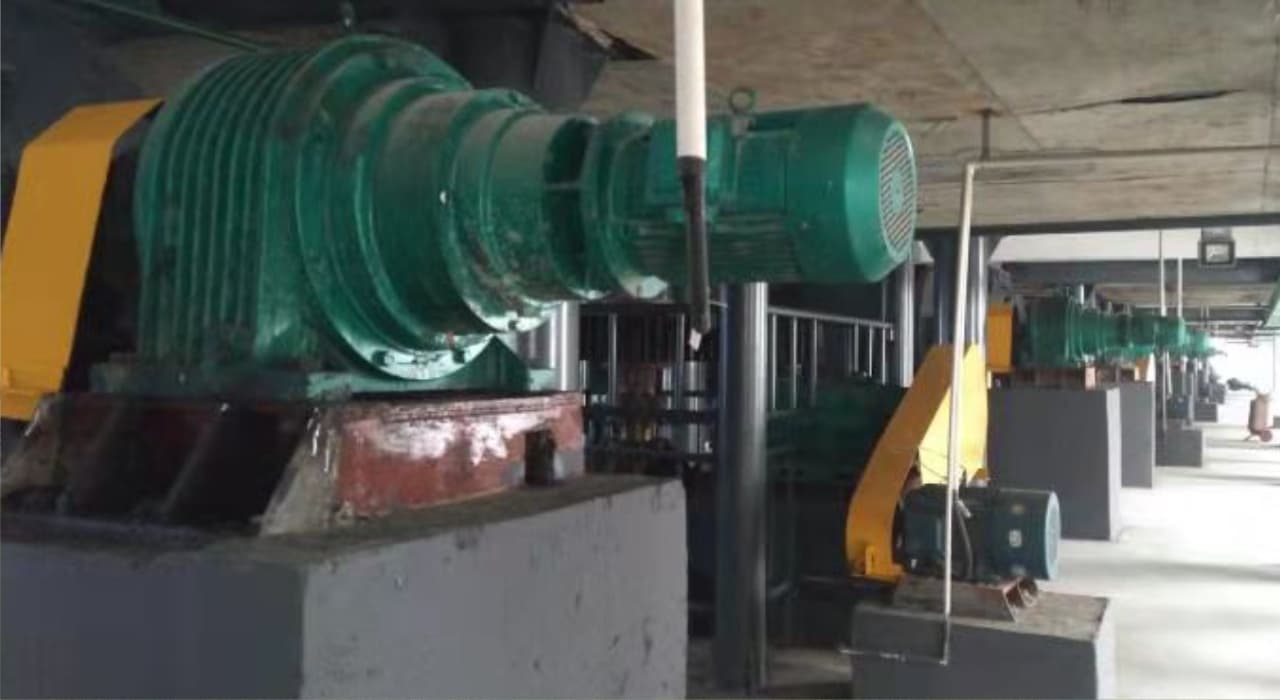
Core equipment usually includes:
Mannheim furnace
Acid dosing system
HCl absorption tower
Crystallizer
Centrifuge or filtration system
Rotary dryer or fluidized bed dryer
Screening machine
Packaging system
Dust collection system
PLC automation system
In real industrial operations, furnace design and gas treatment efficiency are usually the two most critical engineering areas.
Plant layout directly affects:
Material flow efficiency
Maintenance accessibility
Energy consumption
Worker safety
Future expansion capability
Many first-time investors underestimate how much poor layout design can increase long-term operating cost.
A well-designed plant reduces bottlenecks, simplifies maintenance, and improves production stability.
Related reading:
Yes.
Most modern SOP plants are designed for continuous 24/7 industrial operation.
Continuous operation improves:
Energy efficiency
Production stability
Product consistency
Return on investment
However, this requires:
Reliable automation systems
Stable furnace temperature control
Proper maintenance planning
High-quality refractory and corrosion-resistant materials
Yes.
Modern potassium sulfate plants are often designed with:
Modular layouts
Expandable utility systems
Reserved installation space
Flexible automation systems
Good EPC planning allows future capacity expansion with lower engineering risk.
Investment depends mainly on:
Plant capacity
Automation level
Environmental standards
Process technology
Local construction cost
Typical investment ranges:
| Plant Scale | Capacity | Estimated Investment |
|---|---|---|
| Small Plant | 10,000 TPY | $1M–$3M |
| Medium Plant | 30,000–50,000 TPY | $3M–$10M |
| Large EPC Plant | 100,000+ TPY | $10M–$30M+ |
In real projects, environmental systems and furnace design heavily influence total CAPEX.
Most efficient SOP plants achieve ROI within: 2–5 years
depending on:
Raw material prices
Energy efficiency
Product quality
Capacity utilization
HCl by-product recovery
Market demand
Plants with strong automation and energy recovery systems generally achieve more stable profitability.
The most common risks include:
Raw material price volatility
High energy cost
Poor furnace efficiency
Equipment corrosion
Weak environmental systems
Low automation level
In many failed projects, the main problem is not market demand — it is poor engineering integration.
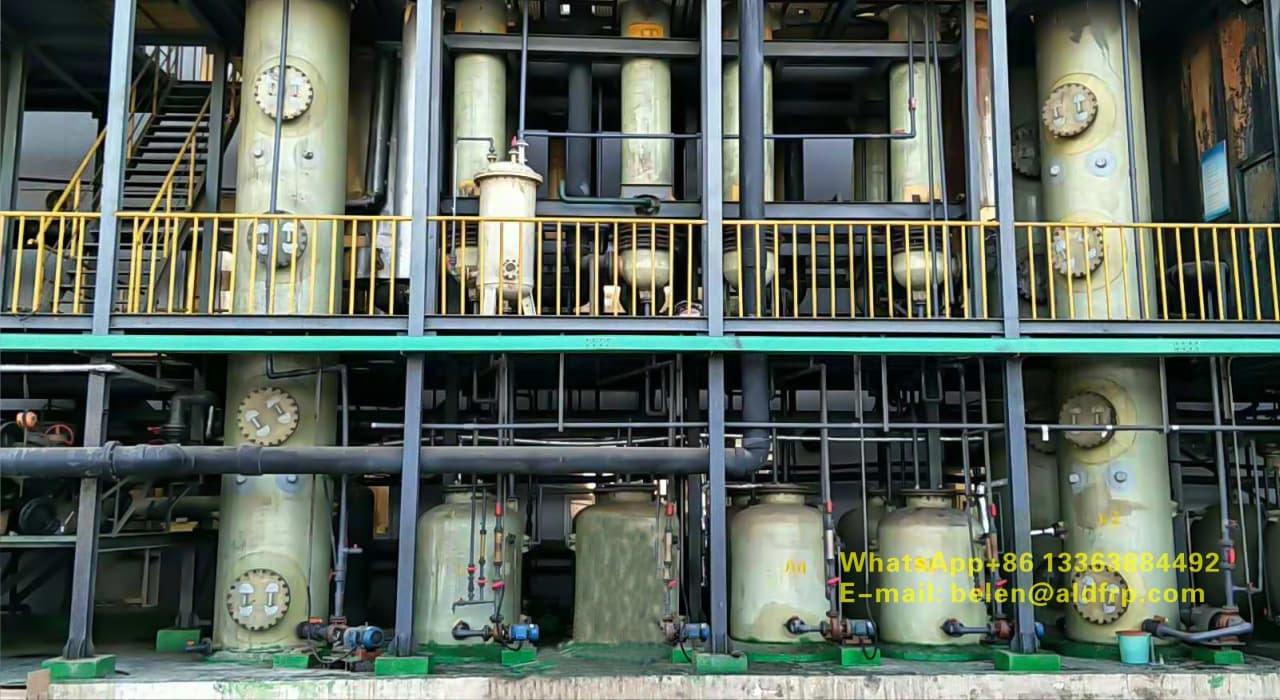
Modern SOP plants can meet strict environmental standards when equipped with:
HCl gas recovery systems
Dust collection systems
Wastewater treatment systems
Heat recovery systems
Environmental compliance is now a core part of industrial plant design rather than an optional upgrade.
Hydrogen chloride gas is:
Corrosive
Toxic
Environmentally regulated
Without proper treatment, plants may face:
Equipment damage
Environmental penalties
Production shutdown risks
That’s why modern SOP plants use:
Multi-stage absorption towers
Scrubbers
Closed-loop gas systems
to safely recover hydrochloric acid.
A potassium sulfate production line is far more than a fertilizer manufacturing setup — it is a highly integrated industrial system combining:
Chemical engineering
Thermal processing
Environmental protection
Automation technology
Industrial plant design
Whether you are planning a small SOP project or a large-scale EPC investment, understanding the process, equipment, cost structure, and operational risks is essential for long-term success.
In real industrial projects, the difference between profitable plants and struggling plants usually comes down to:
✔ Process selection
✔ Furnace efficiency
✔ Environmental system performance
✔ Automation level
✔ Overall engineering integration
Whether you are evaluating a new SOP investment or upgrading an existing fertilizer plant, choosing the right process design and equipment configuration is critical.
A professional EPC engineering team can help you:
Optimize production efficiency
Reduce operating cost
Improve HCl recovery
Enhance product quality
Design scalable plant layouts
Ensure environmental compliance
The right engineering solution can significantly improve long-term profitability and operational stability.